

- Conversions API (CAPI) is now table stakes for Meta tracking in digital health. Event Match Quality of 7.0 or higher and pixel-to-CAPI deduplication above 90% are the current performance benchmarks, not minimums.
- Allowing users to select their in-state insurance directly on ads and landing pages produces 20 to 40 percent lift on qualified conversion rate for telehealth and behavioral health brands -- the highest single-tactic conversion lever most brands are not using.
- Meta Advantage+ campaigns for healthcare require 8 to 15 distinct creative concepts per campaign with regular refresh cycles. Feeding the algorithm 2 to 3 hero ads produces worse results than broad targeting with genuine creative variety.
- Meta's January 2025 Health and Wellness restrictions changed how healthcare advertisers optimize on lead-generation events. Server-side payload cleansing, clean intermediary domains, and persistent ID systems are the reliable technical architecture -- standard custom-event rename tricks alone no longer work reliably.
- Broad targeting plus excellent creative beats narrow targeting plus mediocre creative consistently. The algorithm finds the highest-converting audience subset when given both creative quality and targeting breadth to learn from.
- For HIPAA-safe technical implementation of CAPI and Enhanced Conversions, see our HIPAA-Compliant Digital Health Marketing guide. For the synthesis framework across digital health performance marketing, see Performance Marketing for Digital Health.
16 min read · Pillar: Creative Testing and Paid Media Optimization · Cluster post
This post is part of Matchnode’s Creative Testing and Paid Media Optimization pillar, covering the technical and creative optimization moves that improve campaign performance in digital health: CAPI implementation, insurance selection conversion lifts, ad platform setup, and compliant creative strategy. For the compliance framework that ad optimization runs on, see our HIPAA-Compliant Digital Health Marketing guide. For the full performance marketing framework, see our Performance Marketing for Digital Health guide.
At Matchnode, digital health ads are complex. Navigating innovative advertising strategies alongside rigorous regulations such as HIPAA and PII protection, while traditional cookies become obsolete and server-side event routing becomes the standard, optimizing digital health ads presents a unique challenge.

This guide covers the specific technical and creative moves that move the needle in digital health advertising: compliant tracking architecture, insurance selection conversion lifts, AI-driven campaign structures, and creative principles that work within healthcare’s constraints. Having experienced technical and creative teams is required to get your message to your target audience in a competitive landscape.
Navigating Legal Complexities in Digital Health Advertising
For a deep dive on the HIPAA pixel question specifically, including what changed after AHA v. Becerra and how Meta and Google handle health-data signals, see our guide to pixels, HIPAA, and the HHS.
Understanding HIPAA and PII Regulations
In the realm of digital health, navigating through a web of legal stipulations is foundational. The first requirement: building an integrated digital patient experience that is compliant with HIPAA and PHI regulations. This is not just compliance gymnastics — it is a cornerstone in safeguarding individual health records.

HIPAA sets the standard for sensitive patient data protection in the US healthcare industry. Companies that deal with protected health information must have physical, network, and process security measures in place. PII (Personally Identifiable Information) covers any data that could potentially identify a specific individual. Digital ads often collect user data to improve targeting, but doing so without breaching these regulations requires care — a misstep can lead to substantial fines and erode audience trust.
Strategies for Compliance Without Compromising Campaign Effectiveness
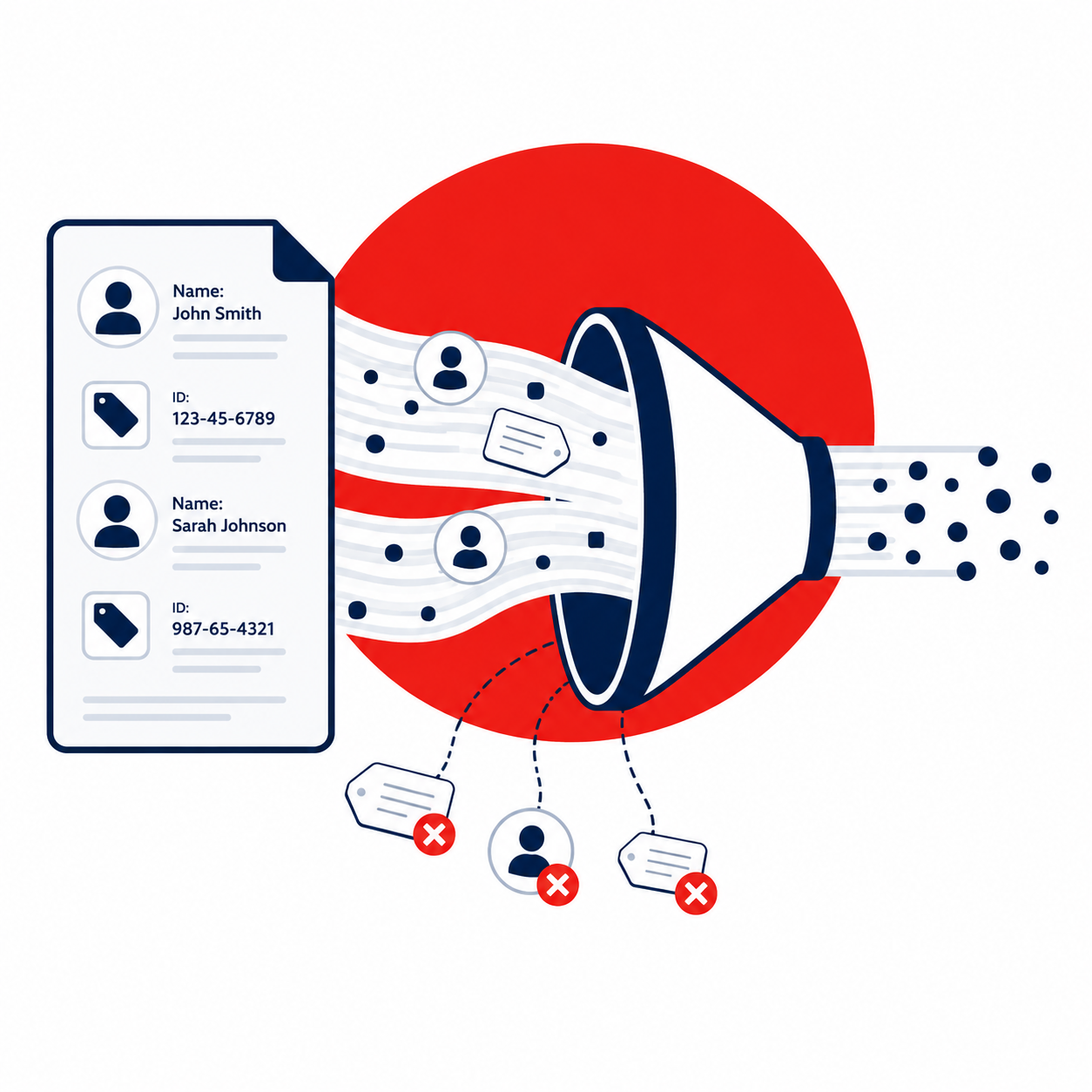
Anonymize Data Before Use
One approach is anonymizing data before using it for advertising purposes — a method that respects privacy while still allowing marketers to build effective targeting models. Server-side event routing with data minimization is the current standard for achieving this in a way that holds up to regulatory scrutiny.
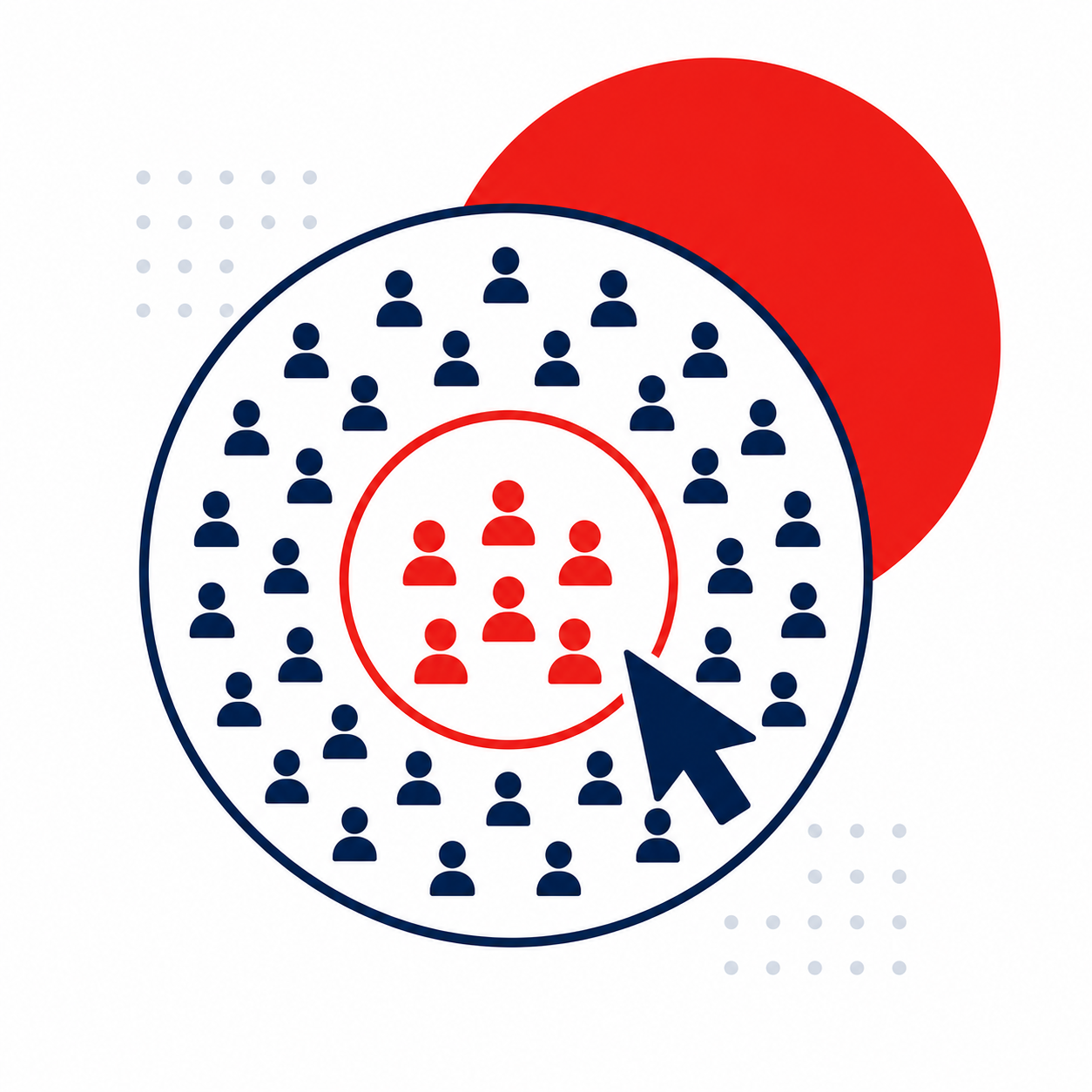
Leverage Broad Targeting Parameters
Using broad targeting parameters instead of overly specific ones avoids PII risks while still reaching a relevant audience efficiently. Broad targeting paired with excellent creative consistently outperforms narrow targeting with mediocre creative in healthcare categories.

Involve Compliance Teams Early
A key part of navigating this landscape includes keeping HIPAA guidelines front-of-mind and making sure compliance teams get involved early in campaign planning — not added on as an afterthought. For the full compliance framework, see our HIPAA-Compliant Digital Health Marketing guide.
Optimizing Ad Campaigns in a Cookieless World
For a deeper view of how the cookieless landscape evolved into 2026, including Privacy Sandbox readiness, Enhanced Conversions, and server-side measurement maturity, see our full guide to the cookieless future for digital health ads.
The Importance of Conversions API (CAPI)
Meta’s Conversions API is now table stakes for healthcare advertisers, not an advanced option. Think of CAPI as the upgrade from browser-based pixel tracking to server-side event routing — essential for keeping your ads relevant, effective, and compliant in a cookieless era.

The current performance benchmarks: Event Match Quality of 7.0 or higher and pixel-to-CAPI deduplication above 90%. Below those thresholds, healthcare campaigns are leaving conversions on the table. Implementing CAPI ensures you are not flying blind when it comes to understanding how users interact with your ads — and it is the technical foundation that makes HIPAA-compliant attribution possible. See our HIPAA attribution guide for full implementation detail.
Google Enhanced Conversions and Server-Side GTM
Google’s move toward privacy-safe measurement mirrors Meta’s CAPI approach. Server-side Google Tag Manager, combined with Enhanced Conversions for Leads, allows healthcare advertisers to import offline conversion data (confirmed patient appointments) back to Google campaigns while maintaining HIPAA-compliant data handling. Staying informed about Google’s privacy-first solutions ensures you can pivot quickly as the ecosystem continues to evolve.
Enhancing Conversion Rates Through Insurance Selection
Imagine you are browsing for a new digital health service. You find one that looks perfect, but then discover it does not accept your insurance. Frustrating — and common. Digital health companies have found that letting users select their in-state insurance company directly on ads and landing pages can boost conversion rates by 20 to 40 percent.
This approach taps into the simple logic of personalization: when people see their specific needs being addressed before they even click, they are far more likely to engage. When someone sees their insurance covered at the top of the funnel, the primary objection to trying the service is answered before it can cause drop-off.
Pair insurance selection with state-level bid adjustments and geographic-aware creative for a compounding effect on qualified conversion rate.
Mastering Ad Platform Technical Setup
Failing to optimize your ad platform technical setup — pixel plus CAPI quality, event match scores, attribution windows — costs you in competitive auctions where peers have done the work. These are not optional optimizations. They are the foundation that everything else runs on.
Event Match Quality and Attribution Windows
Event Match Quality (EMQ) measures how well your conversion events are matched to Meta user profiles. Higher EMQ means better optimization signal for the algorithm. For behavioral health brands with 4 to 8 week consideration windows, extend your attribution windows to 60 to 90 days on both Meta and Google rather than using the platform default of 7 or 30 days.
Creative Volume for Advantage+ Campaigns
Meta Advantage+ campaigns for healthcare require 8 to 15 distinct creative concepts per campaign with regular refresh cycles. The algorithm needs variety to learn — feeding it 2 to 3 hero ads constrains its learning surface and produces worse results than genuine creative diversity across static, video, and UGC-style formats.
Broad Targeting and Creative Excellence
Creative strategies and broad targeting work together in healthcare advertising: they not only meet compliance constraints but also ensure your message reaches the right audience at the right moment.
Why Broad Targeting Works in Healthcare
Platform health-audience interest restrictions have reduced available narrow targeting options for healthcare advertisers. This makes broad targeting — letting Meta or Google’s algorithm find the highest-converting subset of a large audience — not just a compliance workaround but the highest-performing approach when combined with excellent creative.
State-Based Insurance Variability and Campaign Structure
State-based insurance variability creates a maze of campaign structure decisions for telehealth advertisers. The marketers who win pair compliance expertise with the patience to test fragmented vs consolidated structures, measuring which approach produces the lowest cost per acquired patient by state — not just the lowest CPL at the account level.
The Bigger Picture
Optimizing digital health ads is a compound discipline. CAPI implementation improves signal quality for algorithm optimization. Insurance selection removes the primary mid-funnel objection. Creative volume feeds the algorithm the variety it needs to find high-value patients. Broad targeting gives the algorithm room to learn. Each of these optimizations compounds the others, and the brands that have implemented all of them are operating with a performance advantage that is very difficult to close without making the same infrastructure investments.
Matchnode specializes in technical and creative optimization for digital health advertisers, including CAPI implementation, Event Match Quality optimization, insurance selection architecture, and Advantage+ campaign strategy. If your current program has gaps in any of these areas, start a conversation with our team.