
HIPAA-Compliant Technical Services for Digital Health
HIPAA-Compliant Ad Tracking Your Legal Team Approves and Your Campaigns Actually Need
Server-side events, Conversions API, and a CDP your legal team can sign off on. We build all of it, document every piece, and keep your media running while we do.
Talk to Us About Your Setup
HIPAA-Compliant Ad Tracking Infrastructure for Digital Health Brands
Matchnode is a performance marketing agency that implements server-side tracking, Meta and Google Conversions API (CAPI), HIPAA-compliant Customer Data Platforms, and attribution infrastructure for telehealth, digital therapeutics, and healthcare brands. We are a Meta Business Partner and Google Premier Partner, and we run LegitScript certification for clients who need access to Google’s restricted healthcare inventory.
Healthcare marketers cannot legally pass identifiable health data through a standard pixel or GA4. Browser-based tracking also loses 30 to 40 percent of conversion signal to iOS 14, ad blockers, and Meta’s 2025 data-sharing restrictions. We fix both problems with the same build: a documented, server-side data pipeline that meets HIPAA and state privacy requirements while routing clean first-party signal into Meta and Google.
What we implement: CAPI, server-side GTM, CDP (Ours Privacy, Freshpaint, Segment, Amplitude), attribution, LegitScript.
Who it’s for: Digital health, telehealth, digital therapeutics, and healthcare brands spending on paid media.
Compliance covered: HIPAA, BAAs, CCPA, CMIA, Washington’s My Health My Data Act, Nevada SB 370.
What clients get: A documented data map, legal-ready pipeline, clean signal back into ad platforms.
Most Digital Health Campaigns Are Running on Broken Tracking
iOS 14 took 30 to 40 percent of browser-level conversion signal out of the system. Ad platforms that used to learn from pixel data are now optimizing against noise, and most brands can’t see it happening because the campaigns are still spending. Meta’s 2025 data-sharing restrictions compress what’s left of that signal even further.
HIPAA makes it worse. You can’t legally pass identifiable health data through a standard pixel or GA4, so a lot of the signal you do capture can’t be used anyway. Most of the digital health brands we talk to are either exposed, flying blind, or both.
Patching the pixel doesn’t fix this. The fix is structural: server-side event routing, a compliant data pipeline, and a direct feed into Meta and Google.
Server-Side Infrastructure Built for Healthcare
Conversions API (CAPI)
Server-side APIs that skip the browser. We implement CAPI for Meta and Google and map real events like booked appointments and completed intakes back to the platforms, so the algorithms have something useful to optimize against.
Customer Data Platform (CDP)
Routes your first-party data from source systems out to the ad platforms through a documented, auditable pipeline. Your legal team gets a clean compliance trail and your campaigns get better audience matching out of the same build.
Server-Side Event Tracking
Browser tags get blocked by ad blockers and can’t legally be used in HIPAA contexts. We stand up server-side GTM containers that capture events at the server level, so nothing drops and nothing leaks.
Attribution and Reporting
When the tracking underneath is right, the reporting on top of it becomes worth reading. We build dashboards around the numbers that actually drive the business: booked appointments, cost per intake, cost per qualified lead.
The CDPs We Work with Most
.webp)

We prefer HIPAA-compliant platforms and default to Ours Privacy, but we can work with any CDP you already have in place.
Compliance and Performance Run on the Same Stack
The same plumbing that keeps you compliant (server-side data routing, consent management, PHI filtering) is what puts your conversion signal back together. When it’s built right the first time, legal approval and campaign performance fall out of the same project instead of pulling against each other.
STATE-LEVEL REQUIREMENTS
California
CCPA + CMIA. Explicit opt-in for health data sharing.
Washington
My Health My Data Act. Consent required before collection.
Nevada
SB 370. Opt-out rights for health data sales.
We default to Ours Privacy because their compliance layer updates as state laws change, so your data routing keeps working without us having to go back in and rebuild it. Every setup ships with documentation for legal review. BAAs are standard.
For the regulatory context behind all of this, see our deep dive on HHS pixel guidance, HIPAA enforcement, and what changed for digital health marketers.
Every Client Gets a Data Map like This
This is what legal actually wants to see. A single page that shows exactly where every event goes, what data moves, and where the compliant handoffs happen. We build one for every engagement.
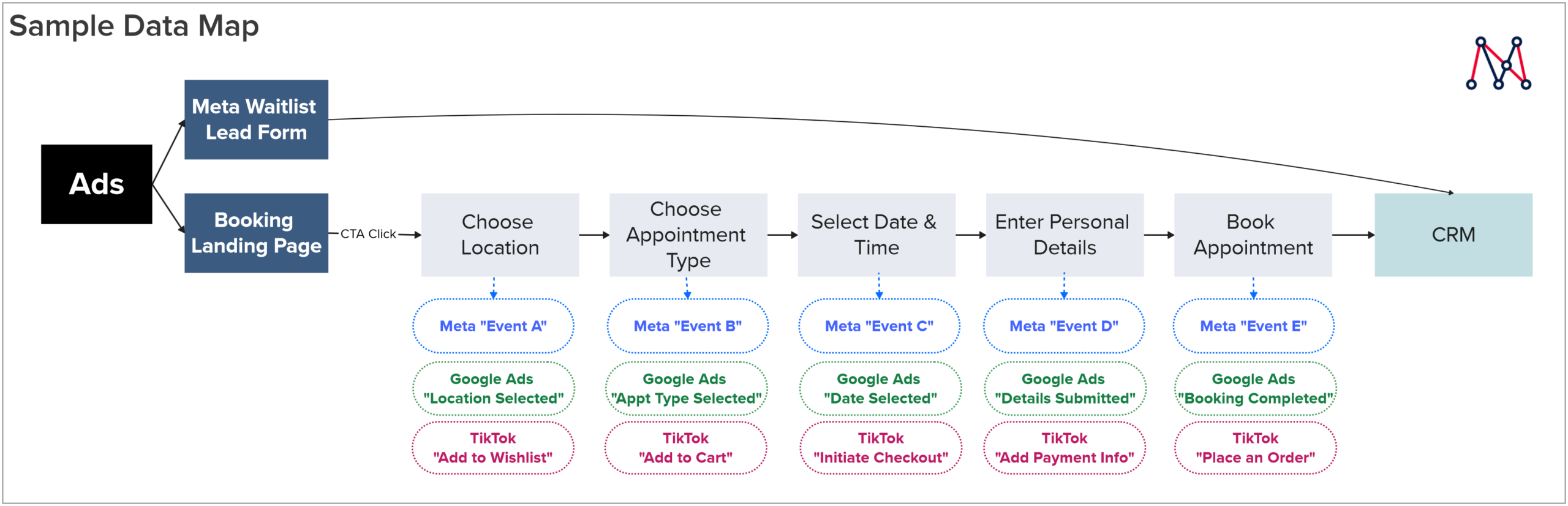
Sample data map. Redacted from a live client engagement.
Where We Start Depends on the Stage You’re In
We see the same patterns show up across digital health clients, but every engagement is its own situation. The right starting point usually depends on how mature your setup already is. Here are three examples, at three very different stages.
Standing Up from Scratch
Early-stage digital health brand with no real data infrastructure yet. We stand up a CDP, connect CAPI to Meta and Google, and get the campaigns running on clean first-party data from the start instead of catching up to it later.
Inheriting a Segment Setup
Company already has Segment wired into a CRM or product analytics stack. We audit what’s flowing where, close the compliance gaps we find, and add the ad platform connections that were never set up with performance marketing in mind.
Switching CDPs Mid-Scale
Brand spending seven figures a month on media. The existing infrastructure wasn’t built with HIPAA in mind, and legal has flagged real risk. We layer in or migrate to a compliant CDP without pausing campaigns, so media keeps running while the plumbing gets swapped out.

LegitScript Certification
A meaningful portion of Google’s healthcare inventory is locked to advertisers without LegitScript certification, including a lot of the treatment-related search terms you probably want to be bidding on. We run the certification process for you and structure campaigns around what’s actually available.
Go Deeper
We’ve Published Our Thinking on This
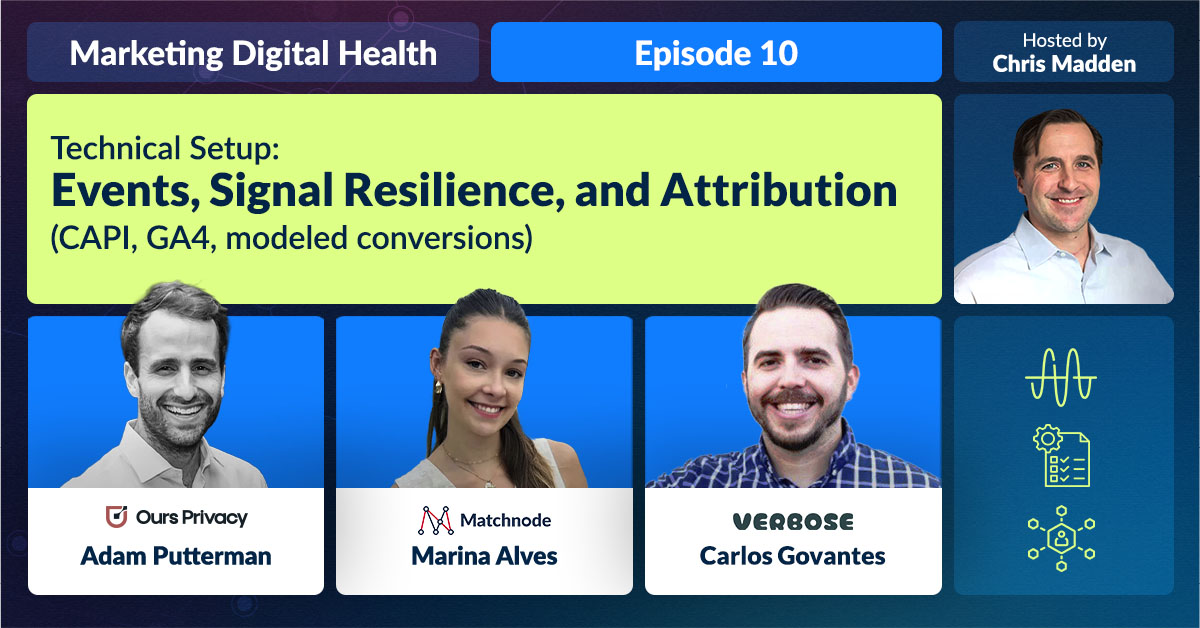
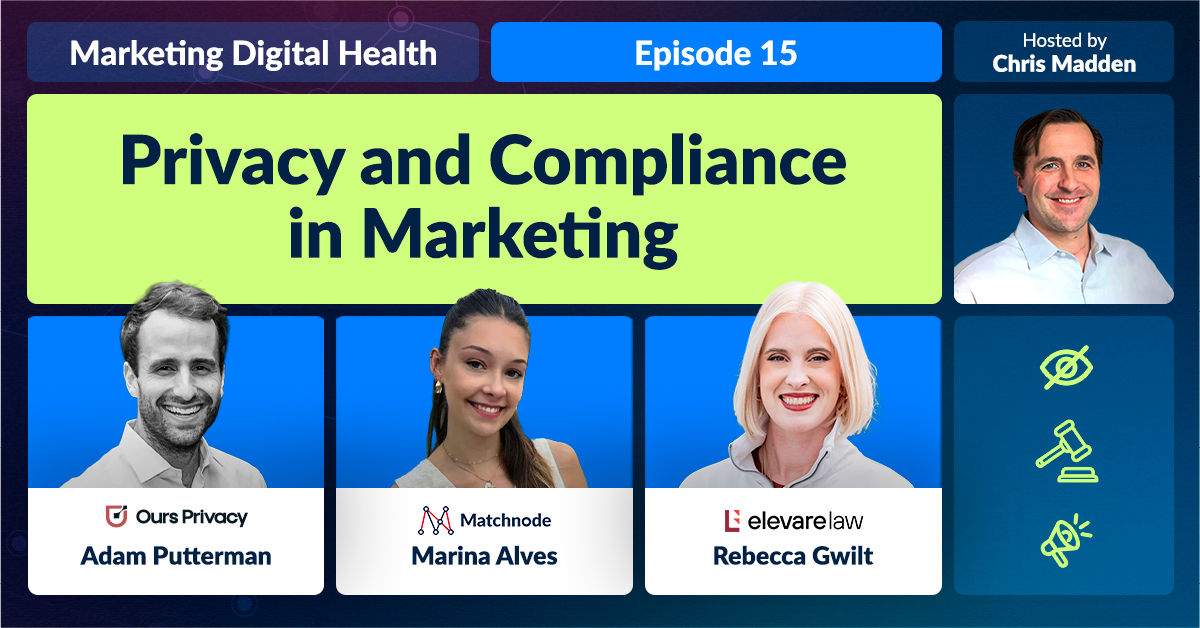
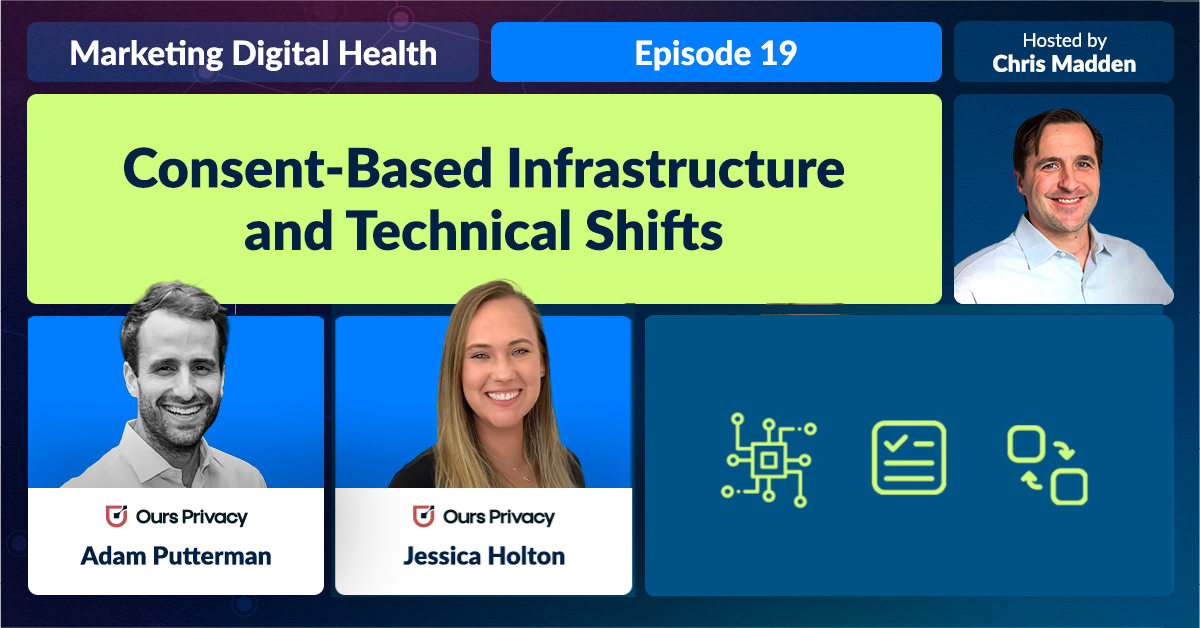
Long-form conversations on HIPAA-compliant infrastructure, consent-based tracking, and attribution.
How Technical Services Fits Into the Matchnode Program
Technical infrastructure is the foundation every other channel runs on. HIPAA-compliant tracking, server-side signal, and the CDP layer make paid social, Google Ads, and the wider platform mix economically viable for digital health brands. The same data spine powers all of it.
Paid Social Services
Meta and TikTok campaigns run on Conversions API and Events API. The technical stack keeps signal clean and HIPAA-compliant so creative can drive performance.
Read more →Google Ads
Server-side tagging keeps Smart Bidding and Performance Max well-fed when third-party cookies and pixel signal degrade. The technical foundation is what makes Google Ads economically viable for digital health.
Read more →More Ad Platforms
Programmatic, CTV, audio, Reddit, LinkedIn, Bing, and Nextdoor all plug into the same attribution and consent layer. One signal architecture, every channel.
Read more →Common Questions about HIPAA-Compliant Ad Tracking
What Is HIPAA-Compliant Ad Tracking?
HIPAA-compliant ad tracking is a server-side data architecture that captures conversion events without passing Protected Health Information (PHI) to ad platforms. It routes events through a Customer Data Platform with a Business Associate Agreement in place, filters identifiable health data at the source, and sends only permitted event data into Meta and Google through the Conversions API. It replaces the standard browser pixel, which cannot legally carry health data.
Can You Use the Meta Pixel on a Healthcare Website?
Not in most digital health contexts. The 2022 HHS Office for Civil Rights bulletin and the 2024 updated guidance confirmed that using the standard Meta Pixel on pages that handle PHI is an impermissible disclosure under HIPAA. The compliant path is to remove or gate the pixel on sensitive pages and run conversions through Meta’s Conversions API from a server-side environment where PHI can be filtered before the event is sent.
What Is the Conversions API (CAPI) and Why Do Digital Health Brands Need It?
The Conversions API is Meta’s server-to-server event API. Google has an equivalent in Enhanced Conversions and the Google Ads API. Because events are sent from a server, you can filter PHI before the event leaves your infrastructure, you bypass ad blockers and iOS 14 signal loss, and you can pass events like booked appointments and completed intakes that browser pixels never see. For digital health brands, CAPI is the only way to give Meta and Google useful optimization signal without violating HIPAA.
Which CDPs Are HIPAA-Compliant?
Ours Privacy and Freshpaint are purpose-built for HIPAA and sign BAAs. Segment and Amplitude offer HIPAA-compliant configurations with a BAA on enterprise plans. We default to Ours Privacy because its compliance layer updates automatically as state privacy laws change, which means the pipeline keeps working without manual rework every time a new state passes a health data law. We can also work with whatever CDP a client already has in place, with a compliance audit as the first step.
What Is LegitScript Certification and Do We Need It?
LegitScript is the third-party certifier Google requires for advertisers in treatment-related healthcare categories, including addiction treatment, telehealth, and certain prescription categories. Without LegitScript certification, a meaningful portion of Google’s healthcare search inventory is locked, including many of the highest-intent treatment keywords. We run the certification process for clients and structure campaigns around the inventory that is actually available to certified advertisers.
How Long Does a Tracking Infrastructure Build Take?
Most engagements run four to eight weeks from kickoff to live, documented pipeline. A brand standing something up from scratch usually takes longer than a brand that already has Segment or a similar CDP in place and needs compliance gaps closed. We keep media running during the build. Campaigns never pause for the plumbing to get rewired.
What State Privacy Laws Apply to Healthcare Marketing?
Beyond HIPAA, the main state-level laws are California’s CCPA and CMIA (explicit opt-in for health data sharing), Washington’s My Health My Data Act (consent required before collection of consumer health data), and Nevada’s SB 370 (opt-out rights for health data sales). Several more states have proposed similar laws. A well-built pipeline handles all of these in one place rather than bolting on new logic every time a state acts.
Do You Work with Brands That Already Have a Marketing Agency?
Yes. We often get brought in as the technical infrastructure partner alongside an existing media agency or in-house team. We build and document the pipeline, hand over clean signal, and the client’s media team runs on top of it. We also run media ourselves for clients who want a single partner across infrastructure and campaigns.
Not Sure What’s Missing from Your Setup?
We audit tracking infrastructure as part of onboarding. If you want a read on where things stand before you commit to anything, that’s the place to start.
Talk to Us About Your Setup