
Creative Services
Creative Services for Digital Health Brands
Creative is the work clients are asking for most right now. Matchnode runs creative strategy, message testing, landing pages, copywriting, concepting, and A/B testing for digital health brands, with the scope flexing to whatever your in-house team already has covered.
Talk to Us About Your CreativeBrief-led process · Ad-hoc quick-turn capacity · HIPAA-compliant UGC sourcing

Creative Built for Digital Health Performance
Five years ago the question we got most was about audiences and bidding. Today it is which message converts, which hook is working, what we should test next, and why. Matchnode runs creative services for digital health brands as a connected practice: strategy, production, and asset-level analytics in one motion.
Meta and TikTok are AI-driven ad platforms now. The algorithm decides who sees which creative; the advertiser's job is to feed it clean signal and a steady cadence of creative tests. We unpack the media side on our Paid Social page. Creative services for digital health is the practice clients are leaning on hardest, and it is what this page covers.
What we deliver: Short-form video, statics, landing pages, copywriting, concepting, A/B testing, message testing, UGC sourcing.
Who it is for: Digital health, telehealth, and digital therapeutic brands, from early-stage to scaled, with or without an in-house creative team.
How we work: Brief-led process with ad-hoc quick-turn capacity. Internal creative roadmap and Gantt views keep every test legible to your team.
How we measure: Asset-level analytics that re-aggregate fragmented Meta and TikTok stats up to the actual creative.
The Six Pillars, Tuned to What Your Team Already Has
The creative services for digital health package is modular. We pick up the pillars your in-house team is not running, deepen the ones you want extra capacity in, and stay out of the ones you have covered. UGC and message testing layer on top of the six.
Short-Form Video
9:16 and 4:5 video for Reels, Stories, TikTok, Shorts, and Demand Gen. Hook-first, native-feeling, with the variation count the algorithm wants.
Statics
Single-image and carousel ad creative. The format that quietly keeps performing, especially for condition-aware audiences on Facebook Feed.
Landing Pages
The post-click half of message testing. Built fast in Unbounce so the ad and the page can hold message match.
Copywriting
Hooks, headlines, body, CTAs. Written for the platform, the placement, and the audience stage. Tested in market, banked when it wins.
Creative Concepting
Turns a business question into a brief and a brief into a testable concept. Symptom framings, founder POV, patient story arcs, offer angles.
A/B Testing
Structured testing on Meta, TikTok, and the landing page. Held variables, isolated message changes, real reads on what won and why.
No In-House Creative Team
Heavy message testing first, then concept and copy from scratch, then production at cadence. We run the whole practice end to end.
Has an In-House Team
Your team owns brand creative. We pick up high-cadence performance creative, asset-level analytics, UGC sourcing, and paid landing pages.
Lean Team, Wants Capacity
Brief-led production overflow, ad-hoc quick-turn creative when needed, A/B testing on existing assets, weekly strategy reads.
Message Testing Finds the Words That Convert
For an early-stage digital health brand, the most valuable thing we can do in the first sixty to ninety days is figure out which exact words and which exact framings pull the right person through to a booked appointment. Not which audience converts, not which placement is cheapest. Which message.
Structured testing holds every other variable constant and isolates the message itself. The output is a positioning read your team can use everywhere else: landing pages, sales scripts, paid search RSAs, the homepage.
What We Hold the Same
- Audience structure and broad targeting
- Visual format and aspect ratio
- Landing page layout, color, and form
- Form length and CTA copy
- Offer and pricing
What We Actually Test
- Symptom language vs solution language
- Founder POV vs clinician POV
- Specific patient story vs category framing
- Offer phrasing and emotional register
- Hook order and opening line
The takeawayThe same message research that wins on Meta tends to show up later in the win on Google and the win on the website. Find the message once, ride it across the program.
Landing Pages Are the Other Half of the Test
If you change the message in the ad and not on the landing page, you are not testing the message. Real message testing requires message match: the ad and the post-click experience say the same thing in the same words, with the same visual. Layout, color, form length, and CTA placement all stay constant so the message is the only variable in the test.
That is also why landing pages cannot live on the marketing-site queue. They have to ship in days, not sprints. Unbounce has been our landing page builder of choice for years. It lets us spin up message-matched variants quickly, run native A/B tests, and keep the page independent of the production website's release cycle. AI is reshaping landing page tooling fast and we are folding new tools in as they earn their way in.
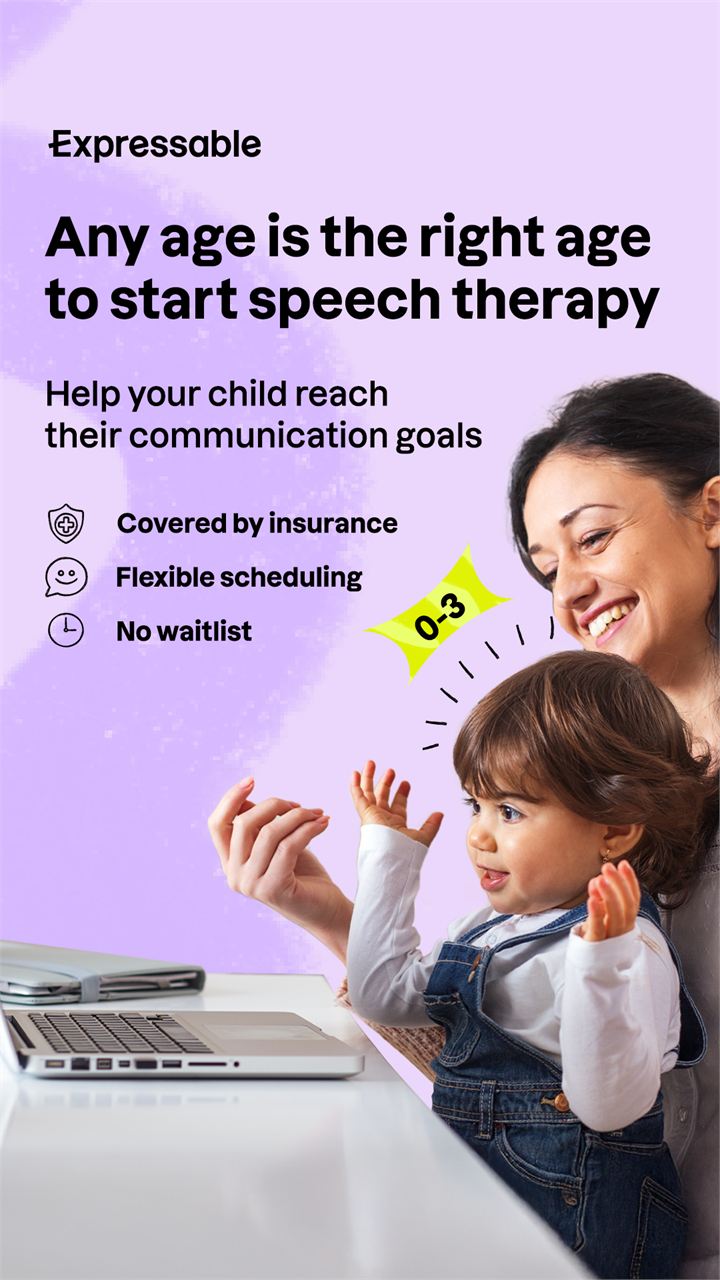
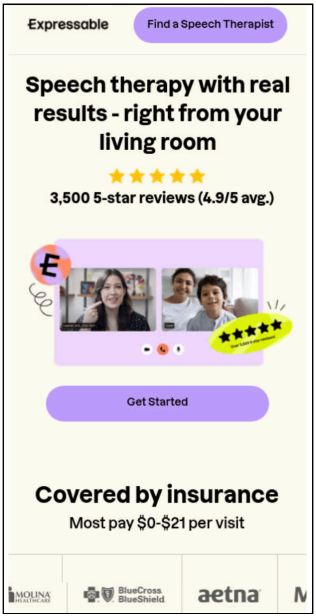
Speed-to-launch: Independent of the dev team release cycle. New page in days, not sprints.
Offer freedom: Test offer phrasing and form length without negotiating with brand and legal on a dot-com page.
CVR gains independent of media: A 20 percent lift in landing page CVR is identical to a 20 percent lift in CPM efficiency.
Audience-specific framing: A perimenopause page and a fertility page can each speak directly to their audience without diluting either.
Reading the Wins, Queueing the Next Test
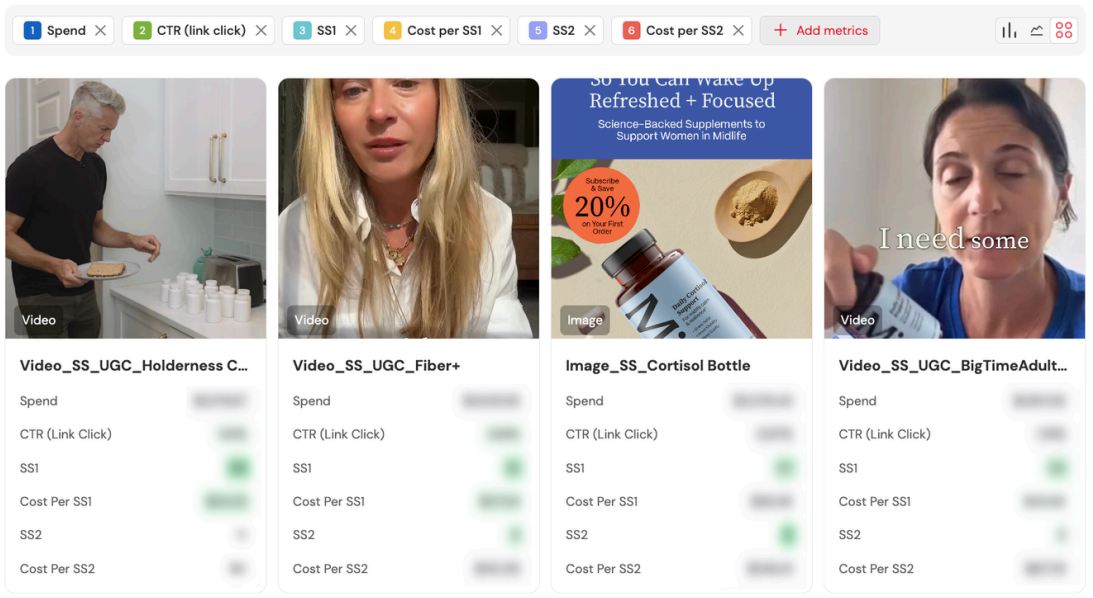
Inside Meta Ads Manager and TikTok Ads Manager, the same piece of creative gets fragmented across ad sets, campaigns, and audiences. Asset-level analytics tools like AdsNova and Motion re-aggregate those fragmented stats up to the creative itself, so you can see how a single video or still is performing across every ad set and campaign it appears in.
We use them, and we build our own tooling on top, to layer in the digital-health-specific reads our clients care about. The analytics tells us what won. The strategy answers why, and what we should test next.
Brief-Led by Default, With Quick-Turn Capacity
Most of what we ship runs through a creative brief. The brief names the business question, the audience stage, the message hypothesis, the format, the placement, and the held variables. Production follows the brief. The brief earns its place on the roadmap. The roadmap connects to the analytics. The cycle compounds. For a deeper read on what tends to work format by format on Meta and TikTok, see our piece on creative best practices for paid social.
Brief-led is the default, not the only mode. We hold ad-hoc quick-turn capacity for offer launches, seasonal moments, and platform changes that have to ship this week. Ad hoc does not mean off-strategy. Same standard, faster lane.
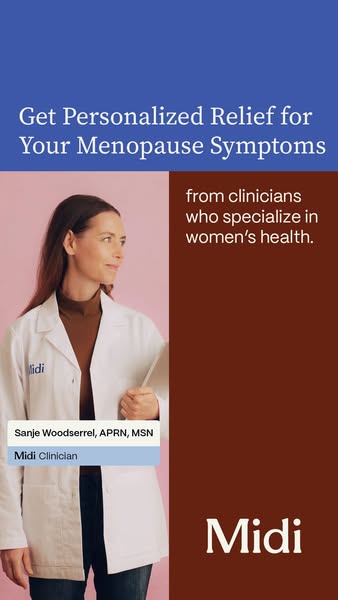
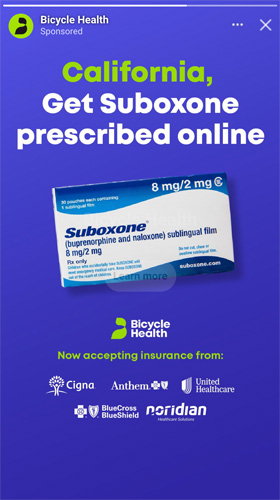
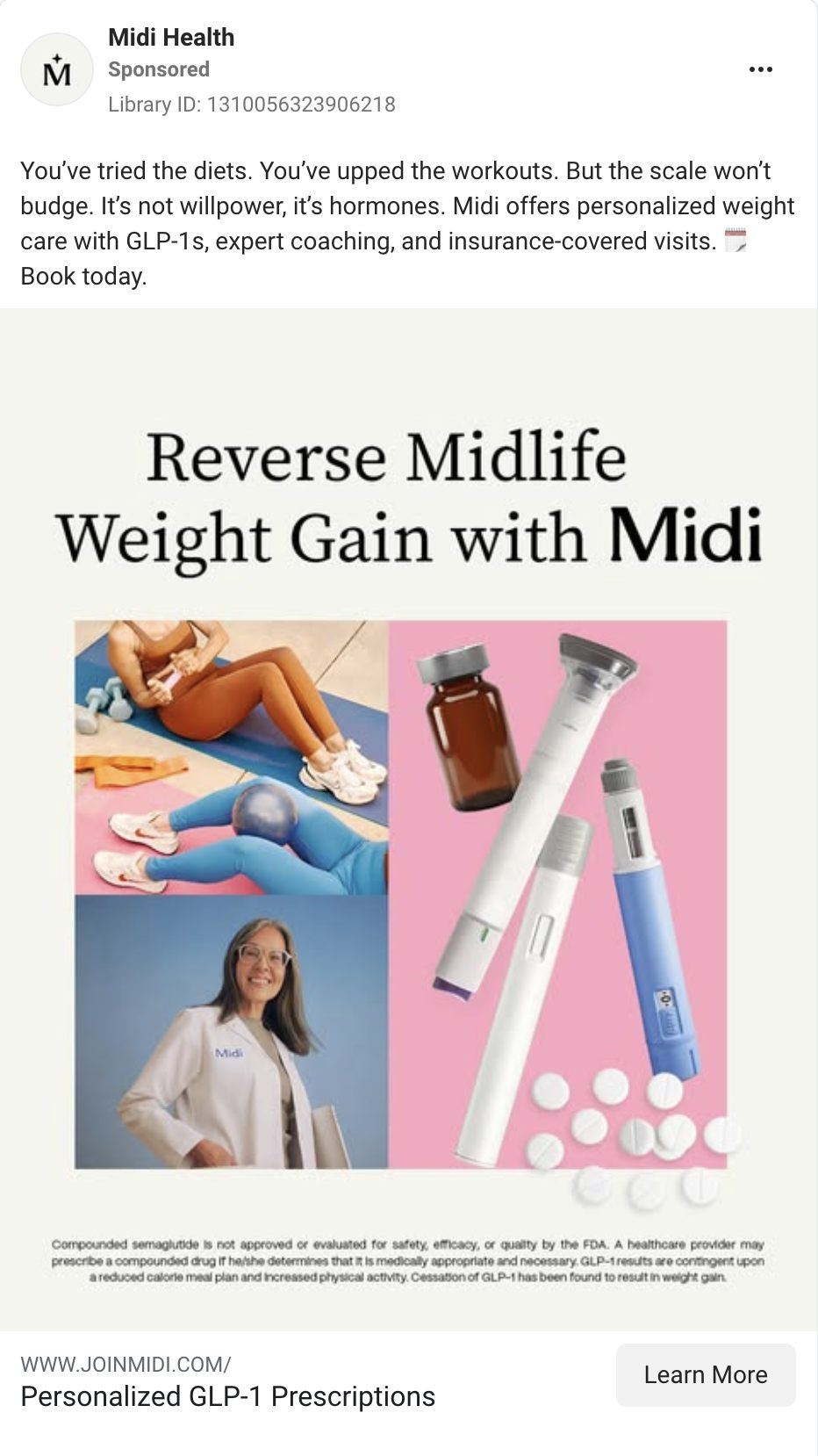
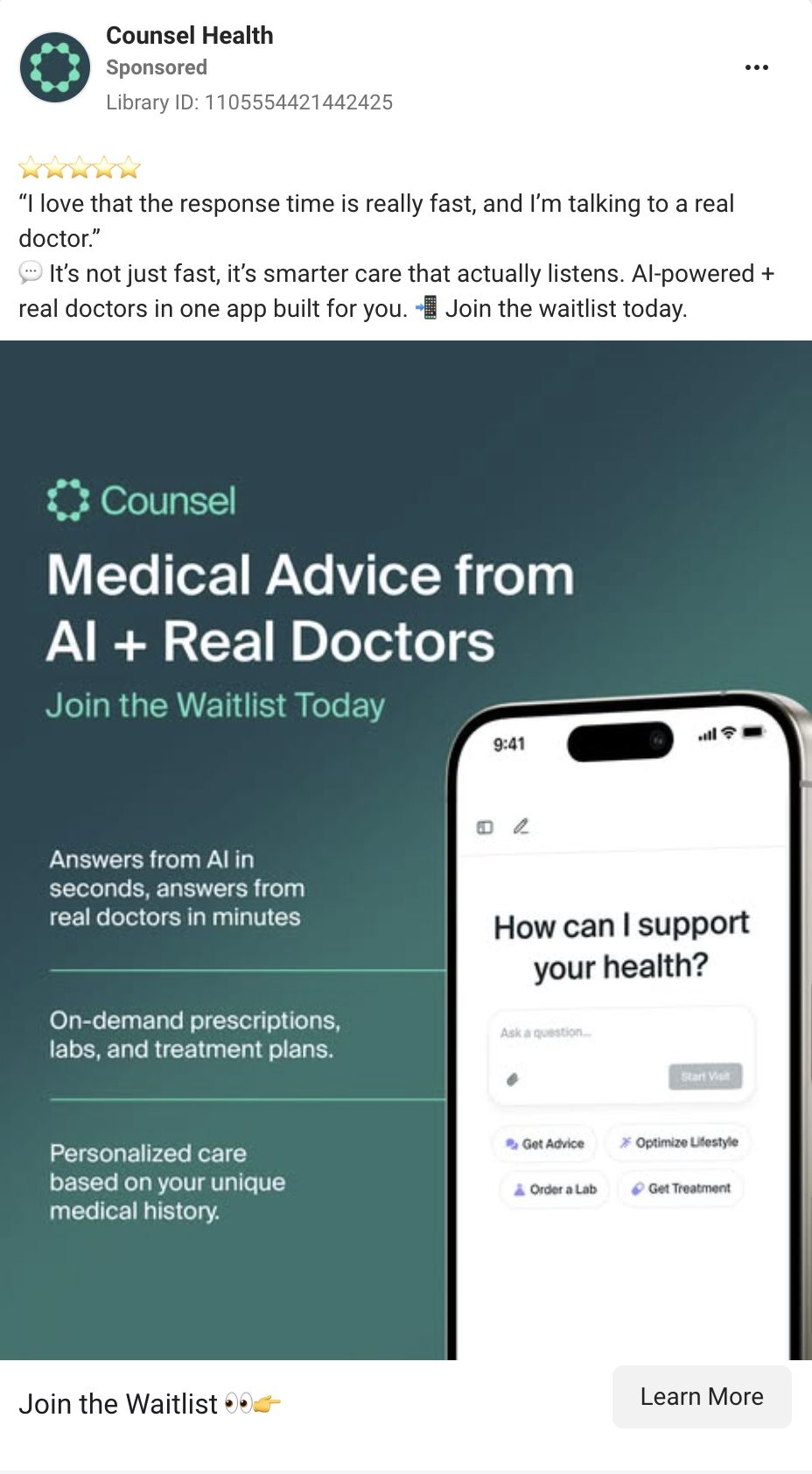
See the Ad Creative
A selection from our digital health clients
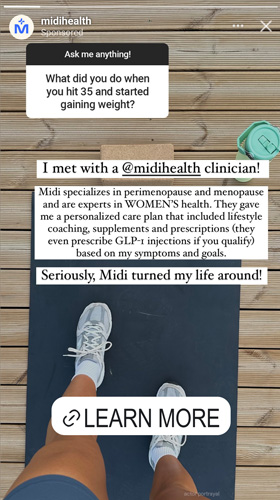
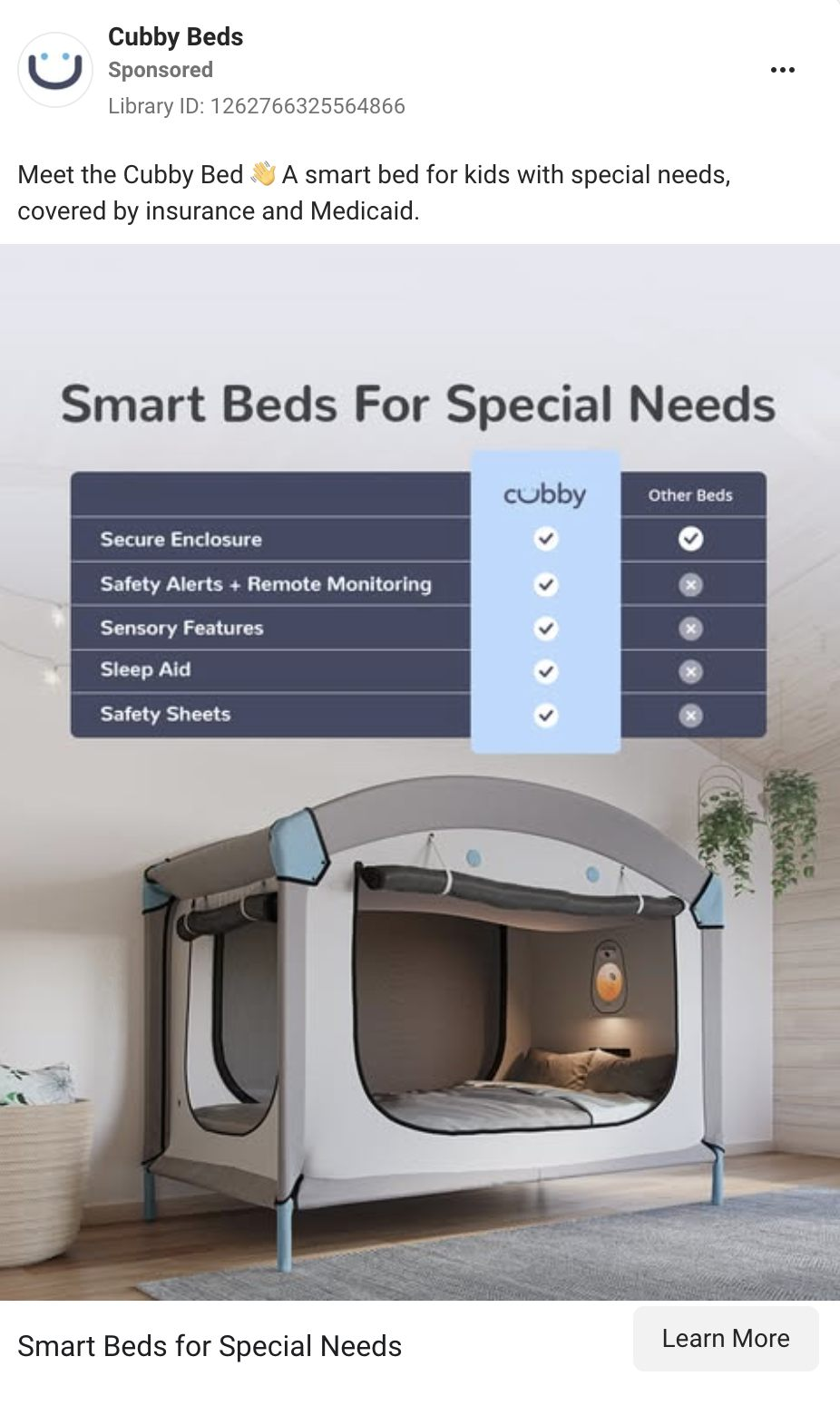
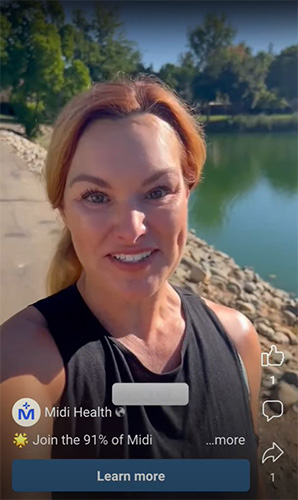
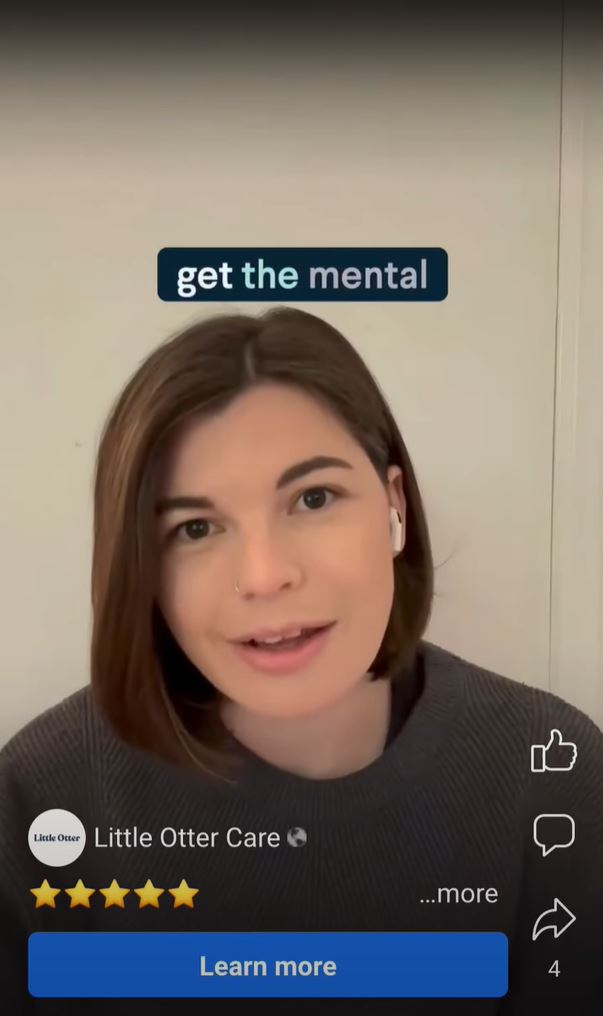
Business Question
What do we need to learn this month, in service of which business goal.
Brief
Audience stage, message hypothesis, format, placement, held variables, success metric.
Produce
Statics, video, UGC, copy, landing page. Built for the brief.
Ship and Read
In-market test against broad audiences. Asset-level analytics, not ad-set rollups.
Next Brief
Bank the insight. Scale the winner. Cut the loser. Pull the next concept off the roadmap.
UGC Ads Are Performing and the Volume Keeps Growing
Static, polished, and traditional creative still earn their place. UGC is the format we are putting the most new resources into because the wins port across Reels, Spark Ads, and Shorts at the cadence the algorithm rewards. We source three creator types, with the mix tuned to brand and category.
Patient Testimonials
Highest-trust format when the patient is willing. Uploads run through our HIPAA-compliant intake so consent and category eligibility are documented before the asset is touched.
Healthcare Influencers
Credentialed voices with built-in audiences: OB-GYNs, therapists, RDs, NPs, certified coaches in the brand's category. Brought in when clinician framing or audience overlap matters.
Everyday Creators With the Condition
The most common use case. Real people who match the patient profile, paid in the $100 to $300 range per video, briefed tightly, native-feeling assets at the cadence paid social demands.
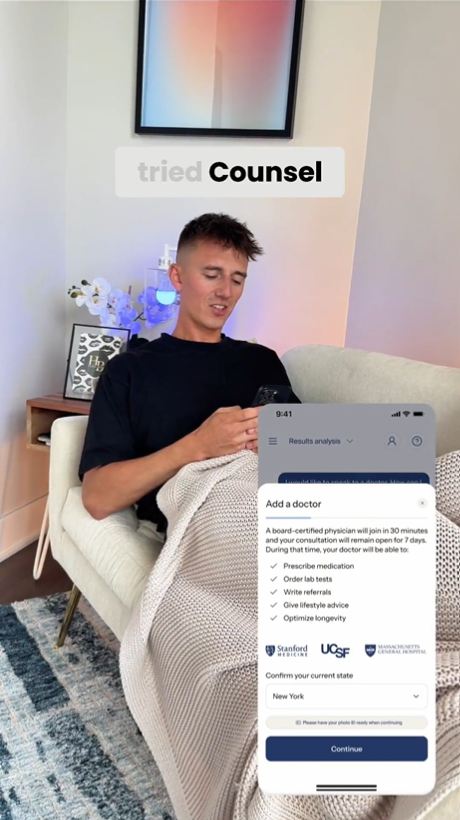
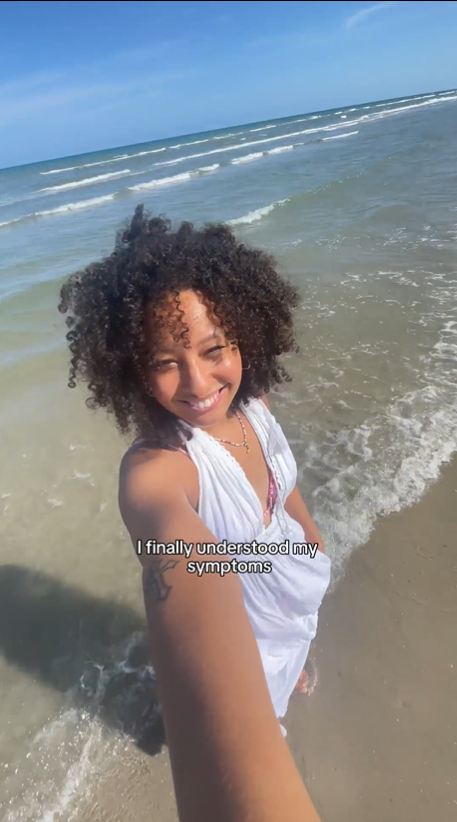
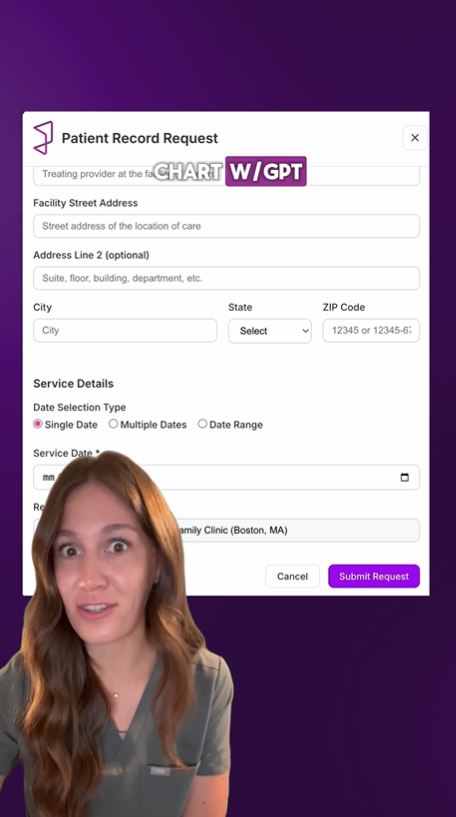
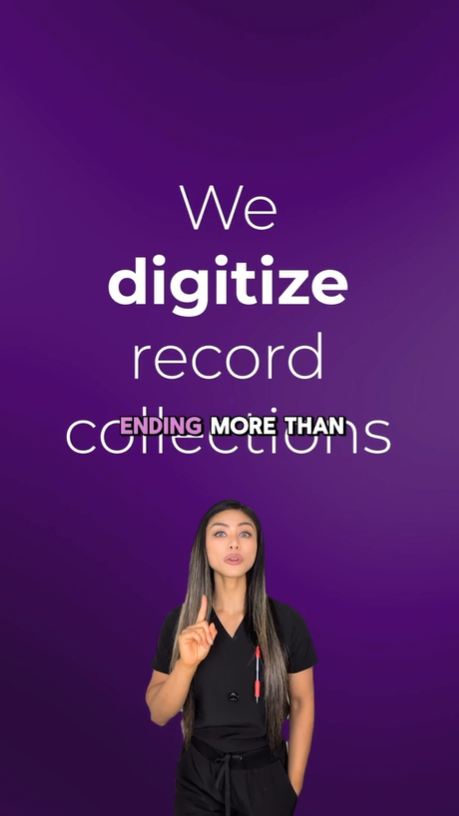
Matchnode UGC Sourcing Platform · the operational backbone we built to source creators, manage outreach, capture HIPAA-compliant patient uploads, and track which concepts convert on which campaigns. Deeper UGC playbook on the Paid Social page.
We Wrote the Book on
Marketing Digital Health
24 episodes. 24 chapters. One framework for marketing digital health. We turned conversations with the founders, CMOs, and compliance leaders shaping this space into a podcast and a book.
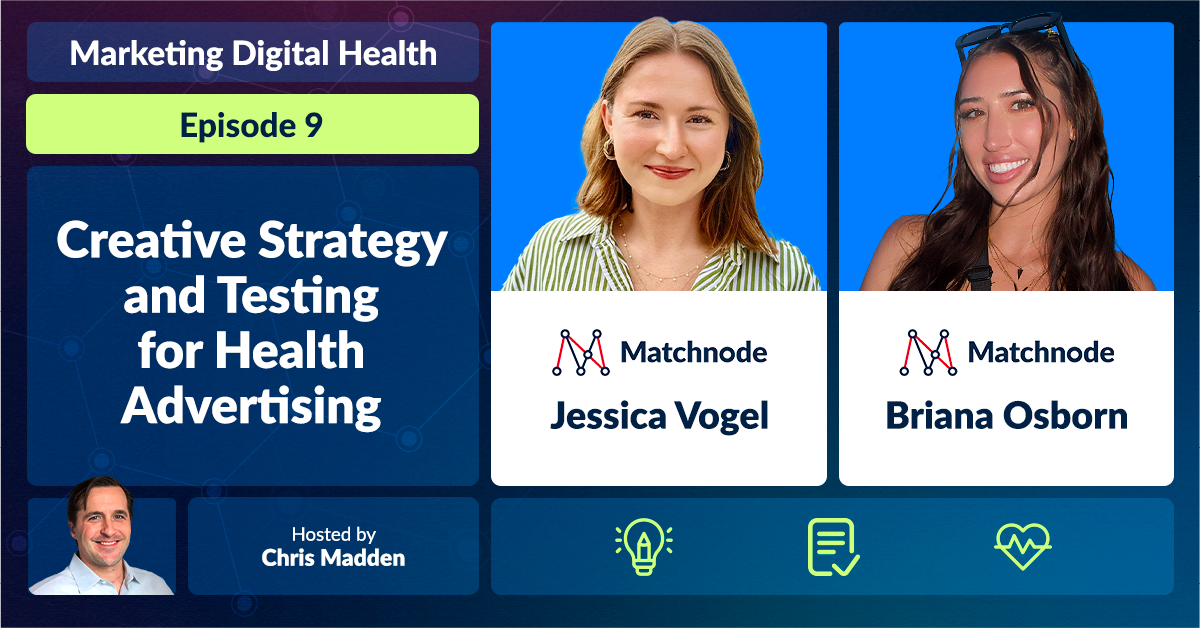
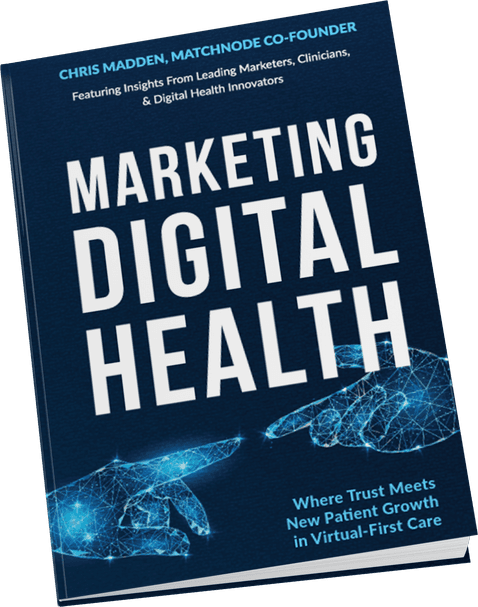
The definitive guide to growing a digital health brand. Available now on Amazon.
Get the Book →How Creative Fits Into the Matchnode Program
Creative services for digital health are one practice inside a full-funnel program. Paid social creates new demand, Google Ads catches existing demand, technical services keep the signal clean across both.
Paid Social
Meta and TikTok for digital health, with creative as the new targeting. The channel where most of our creative ships first.
Read more →Google Ads
RSA copy, display, Demand Gen, YouTube. Where winning paid-social creative gets a second life.
Read more →Technical Services
Server-side tracking, HIPAA-compliant CAPI and Events API, the CDP foundation behind every test we ship.
Read more →Do you work alongside an in-house creative team, or replace it?
Both work. The most common engagement is alongside. The in-house team usually owns brand creative for the website and high-production launches. We pick up the high-cadence performance creative, the asset-level analytics, the UGC sourcing pipeline, and the landing pages built for paid traffic. For early-stage brands without an in-house creative team, we run the whole practice end to end.
How is message testing different from creative testing?
Creative testing tries to find a winning ad. Message testing tries to find a winning message, then expresses it across many ads. Message testing holds visual, format, layout, and landing page as constant as possible and isolates the message itself. The output is a positioning read your team can carry into landing pages, sales scripts, paid search RSAs, and the homepage.
What tools do you use for creative strategy and analytics?
A combination of off-the-shelf tools and our own internal tooling. AdsNova and Motion are part of the asset-level analytics layer that re-aggregates fragmented Meta and TikTok stats up to the actual creative. We also build our own tools where the digital-health-specific cuts we want do not exist off the shelf, including a creative roadmap with Gantt views, our UGC sourcing platform, and AI tools that read winning UGC transcripts and draft variations.
Why are landing pages part of creative services and not the website team?
Because the landing page is the post-click half of the message test. If the message changes in the ad and not on the landing page, you are not testing the message. We build landing pages in Unbounce so they ship in days, with message match between ad and page and every other variable held as constant as possible.
How fast is an ad-hoc quick-turn creative request?
Depends on format. A copy-only static can ship same day or next day. A new short-form video without a full shoot ships in two to four working days. A UGC creator brief and turnaround is usually five to ten days end to end. A landing page built fresh in Unbounce is typically two to four working days.
Do you handle UGC end to end, including patient consent?
Yes. The Matchnode UGC Sourcing Platform sources creators, manages outreach, captures HIPAA-compliant patient uploads, and tracks which concepts convert on which campaigns. Patient testimonials run through HIPAA-compliant intake so consent and category eligibility are documented before the asset is touched. Deeper UGC playbook on the Paid Social page.
How much creative volume should a digital health program plan for?
Six to twelve net-new creative concepts per month is the rule of thumb for a paid social program at scale, with multiple variations per concept. Brands shipping one or two new ads per month tend to plateau within a quarter. Brands shipping eight to ten per month tend to keep finding winners.
How do you keep a high-volume program from devolving into iteration without strategy?
The internal creative roadmap. Every concept on the roadmap has a strategic rationale: the business question, the audience stage, the message being isolated. When a winner ships, the asset-level read informs the next brief. When a concept loses, the insight gets banked. Strategy is a loop, not a deliverable.
Are there healthcare categories you cannot run creative for?
Yes, and the rules differ by platform. Meta restricts certain prescription drug categories, controlled substances, before-and-after weight-loss imagery, and ads that imply a personal health attribute about the viewer. TikTok is stricter on prescription drug and sexual wellness. We brief creative against both rule sets before production, plus LegitScript requirements when relevant. Compliance lives in the brief, not the rework.
Ready to Build a Creative Engine That Compounds?
If you are running creative services for a digital health brand and want a partner that pairs message testing, performance production, asset-level analytics, and a brief-led roadmap, let's talk. We will look at your current creative, your testing pipeline, and your in-house team, and tell you the next two moves that matter.
Book a Strategy Call